
Dyspareuni-what? Here’s what you need to know about vaginal pain
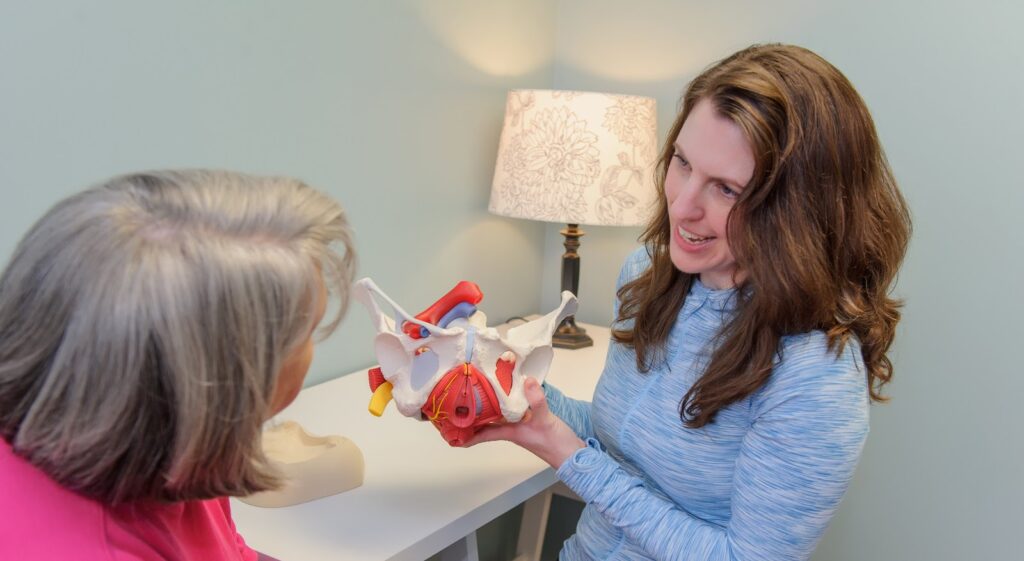
Dyspareunia – AKA vaginal pain – is something many women experience, but few talk about. And of the few who talk about it, even fewer seek treatment. Today, we’re breaking down the “what, where, why, and how” of dyspareunia. It’s more common – and more treatable – than you think!
What is Dyspareunia?
(Dyspareunia is pronounced dis-puh-ROO-nee-uh)
You will most often find dyspareunia defined as pain before, during, or after sex. But, dyspareunia can be more than that. If inserting a tampon or seeing your gynecologist makes you cringe because of the pain you associate with exams, you might also suffer from dyspareunia.
What it feels like
Sharp, stabbing pain, tightness, restriction, burning, or piercing are a few words women use to describe what dyspareunia feels like. Women might also experience the following:
- Pain with any penetration (during sex or inserting a tampon)
- Deep pain that occurs during sex
- Burning, throbbing, or aching pain that sticks around after sex
- Pain while receiving a gynecological exam
Who it impacts
Studies suggest that anywhere from 8-50% of women experience dyspareunia, making it one of the most common pain problems in gynecology. Dyspareunia also occurs at all stages of life, from childbearing women to postmenopausal women. But, why the wide range?
Simply put: Because many women never report their symptoms.
Dyspareunia can occur for a number of different reasons, including injury during childbirth, endometriosis, pelvic inflammatory disease (PID), insufficient lubrication, skin or dermatological disorders, surgery (like a hysterectomy), cancer treatments like chemo, ovarian cysts, menopause, and more. But, that’s not all. Women who experience stress, anxiety, PTSD, or have a history of abuse might also suffer from dyspareunia, either through negative experiences with sex or through a long history of painful sexual experiences.
How to treat it
Just like there are many reasons why women suffer from dyspareunia, there are many treatment options.
At Vitality, we specialize in physical therapy for pelvic health. When treating dyspareunia, we begin by talking with you about your medical history and symptoms. Then, we assess sensation, pain, and muscle function of your pelvic area. This involves an external and internal pelvic assessment similar to what you might experience at your annual gynecologist appointment. When we have a better idea of how your muscles are functioning, we can begin treatment options.
Some cases of dyspareunia are caused by “musculoskeletal dysfunction”, AKA disorders that affect the body’s joints, ligaments, muscles, nerves, and tendons ability to function properly. With pelvic physical therapy, you can learn pelvic relaxation techniques, stretching, and more to assist in releasing muscle spasm, which can contribute to dyspareunia. Case studies show that these techniques can take women from a pain level of 10/10 during sex to a pain level of 0/10 in as little as three physical therapy sessions!
Therapy sessions might also include manual treatment, exercise, and education to help with recovery. But, contrary to popular belief, kegel exercises, commonly prescribed exercise where the pelvic muscles are squeezed as if stopping the flow of urine, are often not appropriate for women with dyspareunia until pain is resolved.
For women experiencing dyspareunia who have a history of abuse, anxiety, or PTSD, treatment might also include working with a Certified Sex Therapist. It is also common for couples to seek therapy together to talk through the experience of sex and work through treatment options together.
Think you might suffer from dyspareunia?
You are not alone in suffering from dyspareunia and there is help available.
If you think you might suffer from dyspareunia, the first step is to talk to your healthcare provider – whether that’s your gynecologist, psychologist, or physical therapist – about your symptoms. Don’t be afraid to explain the sensations you’re feeling, the anxiety you might have about sex, or your sexual history.
Most importantly: Know that there are options available to you that are better than writing off the pain as “normal” or “something you just have to deal with”.
Consider asking your doctor for a referral and scheduling a patient appointment with Vitality. We are always here to help! You can reach us at info@vitalitywomenspt.com or (331) 215-4164.
Sources: PT Journal, UNC Medicine