
How Pelvic Pain Can Affect Urinary Health in Women
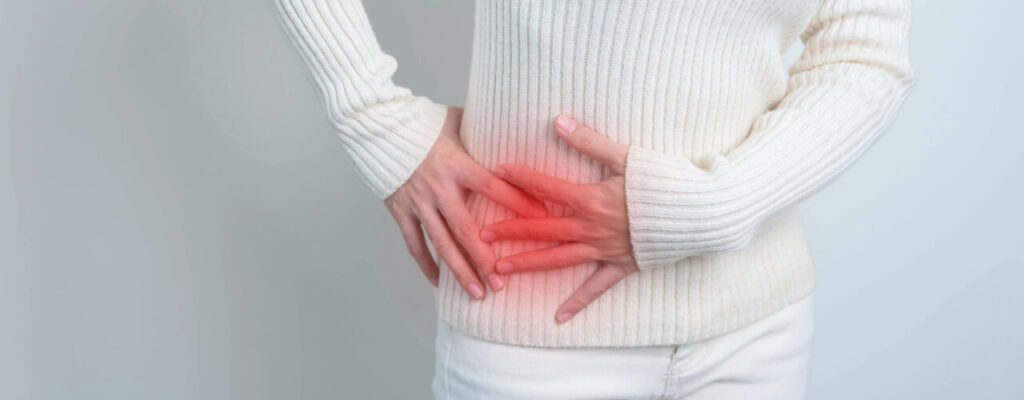
Many women experience pelvic pain at some point in their lives, but what is less commonly discussed is the impact that pelvic pain can have on urinary health. The pelvic muscles and organs are closely connected, meaning that when there’s dysfunction or pain in the pelvic area, it can often lead to urinary problems. Understanding the link between pelvic pain and urinary issues is the first step toward finding relief and improving overall well-being. Our pelvic health specialists at Vitality Women's Physical Therapy can help women address these issues with personalized treatment plans designed to restore function and improve quality of life.
Understanding the Causes of Pelvic Pain and Urinary Issues
Pelvic pain can arise from a variety of causes, including muscle dysfunction, inflammation, or conditions such as endometriosis or interstitial cystitis. This pain often affects the muscles and nerves in the pelvic region, leading to discomfort, pressure, or aching sensations. However, beyond causing localized pain, these conditions can also disrupt the normal function of the bladder and urinary tract.
Some of the most common urinary issues that may accompany pelvic pain include:
Urinary urgency:
- The sudden and overwhelming need to urinate, often with little warning.
Frequent urination:
- Needing to urinate more often than normal, even if the bladder isn’t full.
Incontinence:
- Inability to control bladder function, leading to accidental leakage.
Painful urination:
- Discomfort or a burning sensation while urinating, often linked to pelvic pain or infection.
When the pelvic muscles are in pain or spasm, they can place extra pressure on the bladder and urinary tract, leading to these issues. For women dealing with chronic pelvic pain, these urinary problems can significantly impact daily life, making it important to seek treatment.
How Pelvic Floor Dysfunction Contributes to Urinary Issues
The pelvic floor muscles play a critical role in both supporting pelvic organs and maintaining urinary control. When these muscles become tight, weak, or dysfunctional due to pelvic pain, they can no longer provide the necessary support to the bladder and urethra. This can result in urinary issues as the body struggles to regulate bladder function.
Here’s how pelvic pain and urinary issues are often linked:
Weak pelvic muscles:
- Weakness in the pelvic floor can cause the bladder to drop or shift, leading to incontinence or difficulty fully emptying the bladder.
Muscle tightness or spasms:
- Pain or spasms in the pelvic muscles can create pressure on the bladder, making it difficult to control the urge to urinate. This often results in urinary urgency or frequent trips to the bathroom.
Nerve irritation:
- The nerves that control bladder function run through the pelvic region. When these nerves are irritated due to pelvic pain or inflammation, it can disrupt normal bladder control and lead to urinary symptoms.
Understanding this connection is crucial for treating both pelvic pain and urinary dysfunction effectively. At Vitality Women's Physical Therapy, our physical therapists focus on restoring the function of the pelvic floor muscles, helping women regain control over their bladder, and relieving pelvic discomfort.
Treatment Options for Pelvic Pain and Urinary Issues
Addressing pelvic pain and urinary issues often requires a comprehensive approach that includes physical therapy, lifestyle changes, and sometimes medical intervention. Pelvic health therapy can be particularly effective in treating the root causes of both pelvic pain and urinary problems. At Vitality Women's Physical Therapy, our physical therapists use a range of techniques to help alleviate symptoms and restore function, including:
Manual therapy:
- This hands-on treatment helps release tight muscles and improve blood flow in the pelvic region. By easing muscle tension, manual therapy can reduce both pelvic pain and the pressure on the bladder, providing relief from urinary symptoms.
Pelvic floor exercises:
- Strengthening and relaxing the pelvic floor muscles is essential for improving bladder control and reducing pain. Your physical therapist will guide you through exercises that build strength, improve flexibility, and help you regain control over your pelvic muscles.
Bladder training:
- This involves learning techniques to gradually extend the time between bathroom visits, helping to reduce urinary urgency and frequency.
Patient education:
- Understanding your condition and how to manage it is an important part of treatment. Your therapist will provide:
- Tips on maintaining good posture.
- Avoiding habits that strain the pelvic muscles.
- Making lifestyle adjustments that promote long-term health.
Through these targeted therapies, physical therapy at Vitality Women's Physical Therapy can significantly improve the quality of life for women dealing with pelvic pain and urinary issues.
If you’re struggling with pelvic pain or urinary issues, call us today to schedule an appointment. Our experienced pelvic health specialists can help you find relief and develop a personalized treatment plan to restore function and improve your quality of life!