
The most common exercise mistakes soon-to-be and new moms make
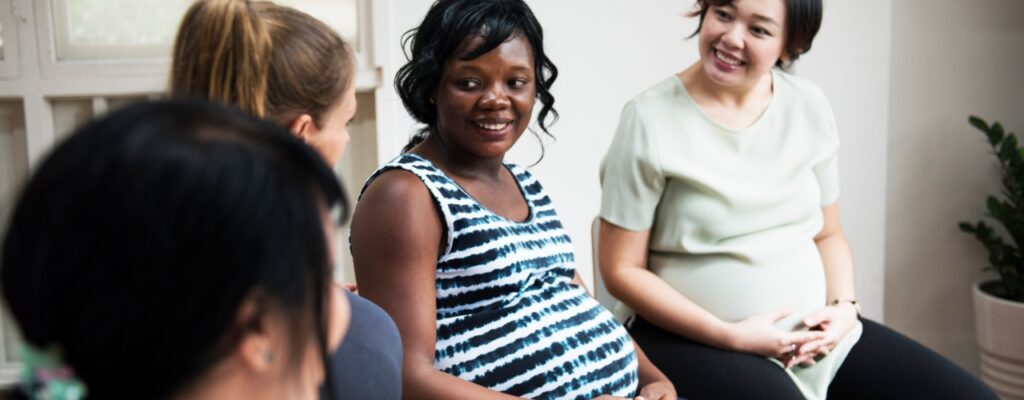
As expectant and new moms, we are constantly inundated with information. It seems like everyone has an opinion on what to do – or what not to do – when it comes to the food we should eat, how many times we should pick up our babies, the amount of sleep we and our babies should get, and everything in between. There is rarely a ‘right’ answer to many of these questions and parents have to decide what works for them and their families.
However, during and after pregnancy, there is no doubt that exercise can be beneficial for mom and baby. There is strong evidence that if done well, exercise can increase strength and endurance to assist in activities like labor or childcare. Exercise performed incorrectly can, at best, make exercises ineffective and, at worst, increase risk of injury. As PTs, we see three common mistakes surrounding exercise during and after pregnancy that can have a lasting impact on a woman’s body:
1. Not resting between kegel exercises
Kegels are contractions of the pelvic floor muscles that feel as if you are stopping urine flow or preventing yourself from passing gas. They are recommended by OB’s and just about every pregnancy book or magazine and when performed correctly, they can prevent or eliminate urinary or fecal leakage. If performed incorrectly, kegels or pelvic floor muscle exercises (PFME) can contribute to pelvic pain, urinary frequency, and constipation.
When I ask women during PT sessions to show me how they perform kegels or other PFME exercises, they often perform one-second contractions in pulses without taking a break. Many do not attempt longer contractions and most do not rest in between repetitions regardless of how long they hold the squeeze. Despite written or verbal instruction in PFME, some studies show that at up to 50% of women perform these exercises incorrectly. Proper instruction from an expert in pelvic health can assist in accurate training of the pelvic floor muscles.
The mistake most women make is not relaxing between PFME exercises.
Relaxation is not only critical when pushing during labor and delivery, but it is also important to successfully eliminate urine and stool when going to the bathroom. I recommend that women perform PFME throughout their lifetime, but increase the frequency during and right after pregnancy to decrease the likelihood of pelvic pain and bowel and bladder issues.
Successful PFME is a combination of quick flicks and longer endurance holds. Quick flicks should be 1-2 second contractions with complete relaxation between each rep, and endurance holds should last 5-10 seconds with full relaxation between reps.
The relaxation period should be equal to – if not slightly longer – than the contraction period. This allows your pelvic floor to lengthen and also gives you enough time to recover for a stronger contraction. PFME can be done lying down, sitting, standing, paired with functional movement, or during exercise. We recommend 30 repetitions daily to achieve increased strength.
If these instructions are making your head spin, schedule an appointment with one of our PTs or consider enrolling in our next Total Control class.
2. Avoiding exercise completely
With so many different opinions being thrown at you, it’s easy to be scared off completely from exercising while pregnant. I’ve heard women say things like, “I’ll hurt my baby if I work my abs too much.” Others find it easier to avoid exercise completely because they aren’t sure what they are allowed to do when pregnant or after delivery. And, of course, there are those whose nausea and fatigue are so rampant that even the thought of exercise makes them want to vomit.
I’m here to tell you that you can and should exercise during every stage of pregnancy, as long as you’re mindful of your own situation and needs. If you were an elite runner before pregnancy, there is no reason why you can’t continue running throughout your pregnancy with the approval from your OB. The same applies if you had a regular Zumba, Pilates, yoga, or lifting routine. However, if you weren’t active or an exerciser before pregnancy, it is not the right time to begin a new exercise routine when pregnant unless you have some guidance or clearance from your physician.
Women also make the mistake of avoiding exercise until after their post delivery 6-week OB visit. Depending on your situation, you may want to consider starting pelvic floor and core exercises as soon as you feel comfortable after giving birth.
As a mom of two (2.5 years and 3 months), I know that caring for a newborn in the first six weeks post-birth is more strenuous than any exercise I’ve ever done. Lifting a baby in and out of a crib, adjusting car seat carriers, and pacing the halls with a screaming baby takes a lot of core strength and stability that women typically lose during pregnancy and post-delivery from inactivity. Even with third- and first-degree tears with my respective vaginal deliveries, I started doing kegels the second day after giving birth.
Keeping these muscles active while lifting and caring for your children helps prevent back pain, pelvic pain, and leakage, but it also helps build a strong foundation for your core and allows you to successfully return to higher level of exercises more quickly. In fact, learning how to engage these muscles as you move through everyday tasks can be equally or sometimes more beneficial than carving out dedicated time for core exercises. So, as long as you are given the OK by your OB and you feel up to it, keep the kegels and core work going during pregnancy,shortly after birth, and through your lifetime.
3. Doing core work without good technique with a diastasis rectus
A diastasis rectus is a widening of the space between the left and right abdominal muscles. Also sometimes referred to as a “mommy pooch”.
A diastasis rectus commonly occurs during pregnancy and often persists even after giving birth.
If you have a diastasis rectus, you want to be mindful about how your perform your core exercises. Certain side crunches and abdominal contractions can actually widen the split between your abdominal muscles if not performed with good technique! Not only is a diastasis rectus annoying, it can also lead to prolonged back pain, leakage, constipation, limited movement, and in some cases, a hernia. We want to avoid this and instead, perform exercises that help bring your abdominal muscles closer together.

If you think you have a diastasis rectus, keep these four things in mind:
- Sit and stand with good, upright posture
- Lift and bend while “bracing” your abs. Try using your legs as support instead of your back
- Avoid holding your breath with exercise or if straining during bowel movements
- Avoid oblique exercises until the separation reduces (ie. side crunches)
If you aren’t sure if you have a diastasis rectus, need some direction on kegels and pelvic floor exercises, want a second opinion on what exercises to perform pre- and post-baby, or would like help incorporating these exercises into your daily routine, schedule an appointment with one of our PTs.
At Vitality, we help women be at their best by specializing and treating disorders related to pelvic and back pain, bladder and bowel dysfunction, and restricted movement. Together, we’ll develop a personalized treatment plan to help you support you in achieving your health and wellness goals.