
Physical Therapy Can Improve Osteoporosis: Here’s How
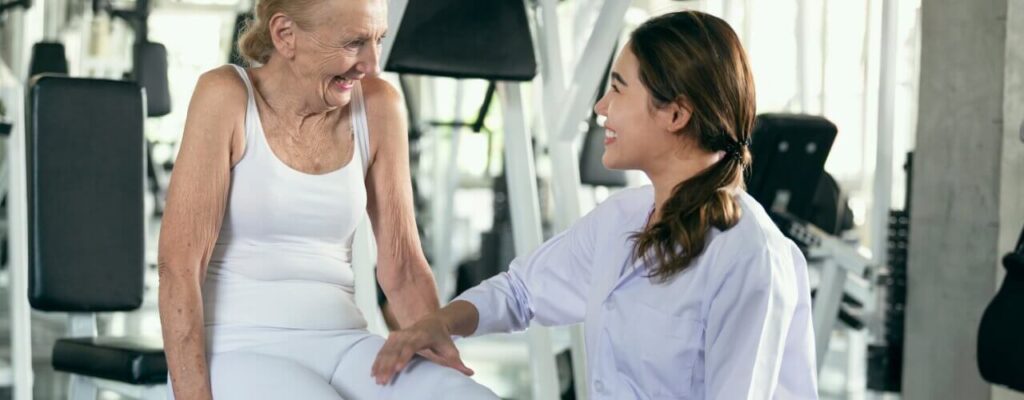
Learn about osteoporosis and how our therapists at Vitality Women’s Physical Therapy can help.
Have you recently endured a bone fracture from osteoporosis? Are you experiencing unexplained back pain and changes in posture? Fortunately, our Vitality Women’s Physical Therapy physical therapists are highly skilled at helping you find relief and improve your bone health!
While most commonly associated with mature women, osteoporosis can affect people of any age. Women are more likely than men to develop osteoporosis, although some cases occur in men.
According to The National Osteoporosis Foundation, approximately half of all women over 50 will eventually develop osteoporosis. Studies have also shown that 80 percent of Americans with osteoporosis are women. Weak and brittle bones are one of the most common causes of fractures, which is why diagnosing and treating osteoporosis early on is essential.
Through hands-on care, patient education, and prescribed movement, our physical therapists at Vitality Women’s Physical Therapy can help treat osteoporosis, improve symptoms of the condition, and enhance your quality of life. Our movement experts are passionate about patients and eager to help resolve their challenges.
To set up an appointment, call Vitality Women’s Physical Therapy today!
What Is Osteoporosis?
Osteoporosis is a bone disease that develops when bones stop producing enough mineral density, bone mass decreases, and the structure and strength of the bones begin to change. All of these factors can lead to reduced bone strength, increasing the risk of breaks and fractures.
In osteoporosis, the bones weaken due to a lack of new bone and density, making the inside of a healthy bone have small spaces that resemble a honeycomb. Osteoporosis is derived from the Latin meaning “porous bones.”
Osteoporosis is commonly seen in women during the first five years of menopause. However, both men and children can develop the condition, primarily due to diseases that negatively influence bone development, such as:
- Inflammatory bowel disease (IBS)
- Rheumatoid arthritis
- Spina bifida
- Kidney disease
- Severe malnourishment from an eating disorder
Athletes who suffer from significant weight changes throughout late childhood and teenage years can also be at risk since this is when bones develop.
Knowing if you are susceptible to osteoporosis is vital, as taking preventative action can decrease symptoms or worsen the condition.
Common Symptoms of Osteoporosis
Symptoms of osteoporosis can be mild and challenging to diagnose until the condition is at a more advanced stage. However, getting treated as soon as symptoms appear is important, or getting tested if the condition is genetic. Some common symptoms of osteoporosis include:
- Back pain
- Loss of height over time
- Bone breakage and fractures
- Stooped or slouched posture
Risk Factors for Osteoporosis
You are more at risk for osteoporosis under these conditions:
- You are female
- You have a small physical frame
- You are maturing in age
- You have abnormal hormone levels
- Osteoporosis runs in the family
- You struggle with predisposing medical conditions
If you fit under any of these categories, there is no need to worry. There are plenty of ways to decrease your risk of developing osteoporosis or treat the condition early on. Here are some risk factors that can be addressed and avoided:
- Cigarette/tobacco smoking
- Excessive alcohol intake
- Low physical activity
- Regular high caffeine consumption
- Drug use
- Underweight
- Diet low in calcium
- Low vitamin D levels
What to expect from physical therapy
Physical therapists are movement experts who are familiar and experienced with osteoporosis. During treatment, your physical therapist will design a specific program based on your individual needs. The emphasis will be on improving your overall bone health and minimizing your chance of injuries.
Your women’s health specialists will also perform a comprehensive assessment to understand your medical history, genetic factors, and current symptoms, and will use this information to determine which healing strategies work best for you.
Your physical therapist will work with you on exercises and rehabilitation techniques, such as:
- Balancing activities that improve posture and decrease risk of falls and injury
- Exercises that focus on restoring bone and muscle mass or decreasing the amount of bone loss
- Environmental or lifestyle changes
In addition, you may learn some weight-bearing and resistance exercises, such as:
- Strength training
- Resistance band exercises
- Gravity resistance (i.e., squats, push-ups, heel raises, lunges)
- Balance exercises
- Walking, jogging, or aerobic exercises
Request an appointment at Vitality Women’s Physical Therapy today!
You and our physical therapists at Vitality Women’s Physical Therapy can work together and help you achieve the quality of life that you deserve. With a combination of exercises and powerful healing strategies, we will combat any symptoms of osteoporosis.
To start feeling better as quickly as possible, contact Vitality Women’s Physical Therapy today!
Sources:
- https://www.niams.nih.gov/health-topics/osteoporosis
- https://www.mayoclinic.org/diseases-conditions/osteoporosis/symptoms-causes/syc-20351968
- https://health.ucsd.edu/care/endocrinology-diabetes/osteoporosis/risk-factors/#:~:text=The%20National%20Osteoporosis%20Foundation%20estimates,percent%20of%20all%20hip%20fractures.
- https://www.spinabifidaassociation.org/resource/osteoporosis/#:~:text=People%20with%20Spina%20Bifida%20are%20at%20higher%20risk%20for%20getting%20osteoporosis.
- ]