
Can Diastasis Recti Cause Pelvic and Back Pain?
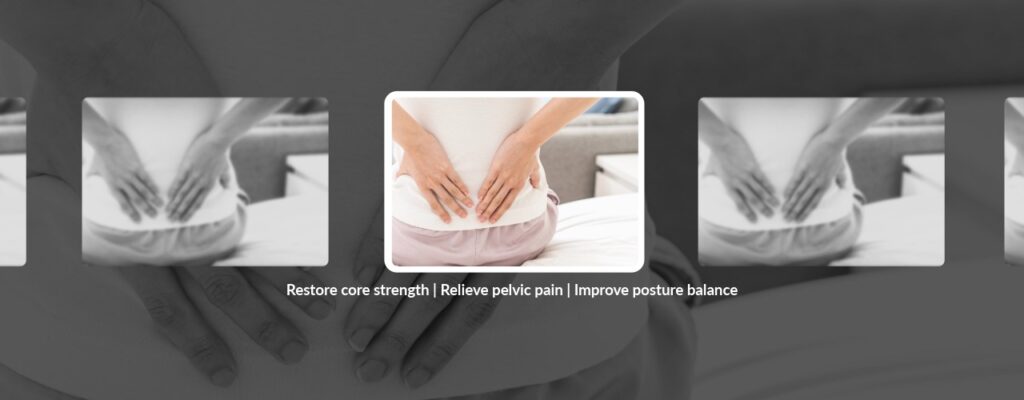
If you’re dealing with pelvic or back pain after pregnancy, the reason for your discomfort might actually start in your ab muscles! Diastasis recti often occurs after pregnancy, and it can lead to discomfort in other areas of the body. In fact, for some patients, diastasis recti pain extends beyond the abdomen, contributing to pelvic issues, low back strain, and even changes in posture. Understanding the link between these symptoms can empower you to take the right steps toward recovery–with some help from the Vitality Women's Physical Therapy team in Chicago, IL, and Elmhurst, IL.
What Exactly Is Diastasis Recti?
Diastasis recti occurs when the connective tissue between the left and right abdominal muscles (your “six-pack muscles) becomes stretched and weakened. This causes the midline of the abdomen to widen, leaving less support for the abdominal wall. This separation also reduces core stability and impacts overall body mechanics.
While it most often develops during or after pregnancy, diastasis recti can also occur in men or women due to repeated heavy lifting, chronic abdominal pressure, or rapid changes in body size.
How a Diastasis Recti Affects the Pelvis and Back
The abdominal muscles are part of your core, which includes the deep muscles of the abdomen, pelvis, and spine. When the abdominal wall is weakened by diastasis recti, other structures are forced to take on extra strain. This means diastasis recti pain can be felt beyond the abdomen.
Pelvic Impact
- Weak abdominal support can contribute to pelvic floor dysfunction, leading to pressure, heaviness, or difficulty controlling the bladder or bowels.
Back Discomfort
- Without a stable core, the lower back often compensates, creating muscle tension, poor alignment, and long-term soreness.
Posture Changes
- The body may shift into positions that increase arching of the lower back or tilting of the pelvis, both of which place stress on muscles and joints.
Why Diastasis Recti Pain Is More Than a Cosmetic Concern
Some people are told that diastasis recti is only an aesthetic issue, but the functional consequences show otherwise. The separation disrupts the balance of your various core muscles, and that ripple effect can reach multiple systems.
Untreated diastasis recti may continue to affect daily life long after the visible changes have healed, so it’s important to keep an eye out for symptoms, including a bulge along your midline or a sense of weakness in your core. And remember that diastasis recti pain may appear as:
- Ongoing pelvic discomfort, especially with activity.
- Low back tightness or aching that worsens with lifting or standing.
- A sense of instability when moving or exercising.
The Role of Physical Therapy in Recovery
Targeted physical therapy can help restore core function and reduce both abdominal and referred pain. Treatment focuses on retraining how the core and pelvic floor muscles work together, rather than simply trying to close the gap between the split abdominal muscles.
Our physical therapists may help by:
- Teaching safe core activation techniques that protect the tissue in the area
- Supporting better posture and movement strategies to reduce strain.
- Guiding pelvic floor rehabilitation when needed.
- Offering education on lifestyle modifications to prevent worsening.
The goal is a stronger, more resilient core that reduces discomfort in the pelvis and back.
Moving Forward With Support
If you are struggling with diastasis recti pain, know that recovery is possible. Guided physical therapy, education, and personalized care can help you regain strength and reduce discomfort. At Vitality Women's Physical Therapy, we are here to provide compassionate, evidence-based support for every step of your journey.