
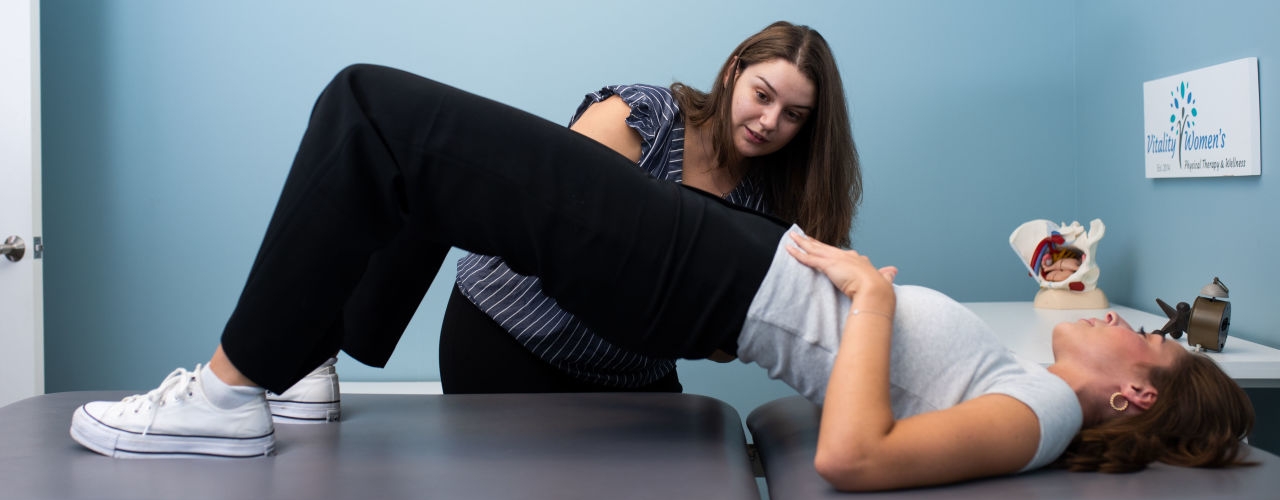

Pelvic floor dysfunction is a condition that can affect individuals of all genders, backgrounds, and ages. It encompasses the inability to control the muscles within the pelvic floor, leading to discomfort and pain. This condition often arises from events that weaken the pelvic muscles or cause connective tissue tears, disrupting the delicate balance of this crucial area.
If you have recently undergone childbirth, pelvic surgery, experienced nerve damage, or sustained a traumatic injury in the pelvic region, you may be facing pelvic floor dysfunction. This condition can significantly impact your daily life, making simple tasks such as using the bathroom, sitting comfortably, or walking challenging and uncomfortable.
At Vitality Women’s Physical Therapy in Elmhurst and Chicago, IL, we understand the importance of holistic healing when it comes to pelvic floor dysfunction. Our dedicated team is here to provide you with the much-needed relief you’ve been seeking. Through our comprehensive therapy services, we focus on restoring the balance and functionality of your pelvic floor, empowering you to regain control and alleviate your discomfort.
We can provide you with the much needed relief you’ve been searching for. Contact our office today for more information on our therapy services for pelvic floor dysfunction.

Symptoms of Pelvic Floor Dysfunction
Although every patient’s pain condition is different, oftentimes we hear the same types of complaints when it comes to pelvic floor dysfunction.
Below is a list of commonly experienced pelvic pain symptoms, as listed on Healthline:
- urinary issues, such as the urge to urinate or painful urination
- constipation or bowel strains
- lower back pain
- pain in the pelvic region, genitals, or rectum
- discomfort during sexual intercourse for women
- pressure in the pelvic region or rectum
- muscle spasms in the pelvis
If you’re experiencing any or all of these symptoms, it’s time to see a professional about your problem. It’s important to get your pain under control as early as possible so that future problems aren’t created. Pelvic physical therapy at Vitality Women’s Physical Therapy in Elmhurst and Chicago, IL can help!
How Can a Pelvic Floor Specialist Help?
When you arrive at our Elmhurst and Chicago, IL office, one of our pelvic physical therapists will evaluate your medical history and ask you a series of questions regarding your pelvic pain symptoms. They will also perform a thorough evaluation that includes watching you walk, squat, bend over, and breathe, all to observe for any mobility deficits, muscle imbalances, or postural dysfunction.
Strength, endurance, flexibility, and motor control of the pelvic floor muscles will also be evaluated to help in determining the best route for your treatment plan. Some commonly used treatment methods for pelvic floor dysfunction are as follows:
Biofeedback
Biofeedback is not painful, and helps over 75% of people with pelvic floor dysfunction. Your physical therapist may use this technique to monitor your muscles as they relax and contract.
Relaxation techniques
Meditation, yoga, heating packs, or warm baths may be recommended for your rehabilitation.
Pelvic floor rehabilitation
During your examination, your Vitality Women’s Physical Therapy therapist will determine which muscles in your lower back, pelvis and pelvic floor are too tight. They’ll be able to teach you exercises to stretch these muscles to improve their coordination.
Contact Vitality Women’s Physical Therapy Today
Pelvic floor dysfunction is difficult to handle alone. Rehabilitation can change your life! We make it our number one priority to provide our patients with pain relief. If you are suffering from pelvic pain, don’t wait any longer to contact our Elmhurst and Chicago, IL physical therapy office.
We’ll help relieve your pelvic pain condition so you can get back to living your life without discomfort.
Your Next Steps…
Request An Appointment
Receive A Custom Treatment Plan
Work Hard and Progress In Your Recovery
Recover & Enjoy Life Symptom-Free!